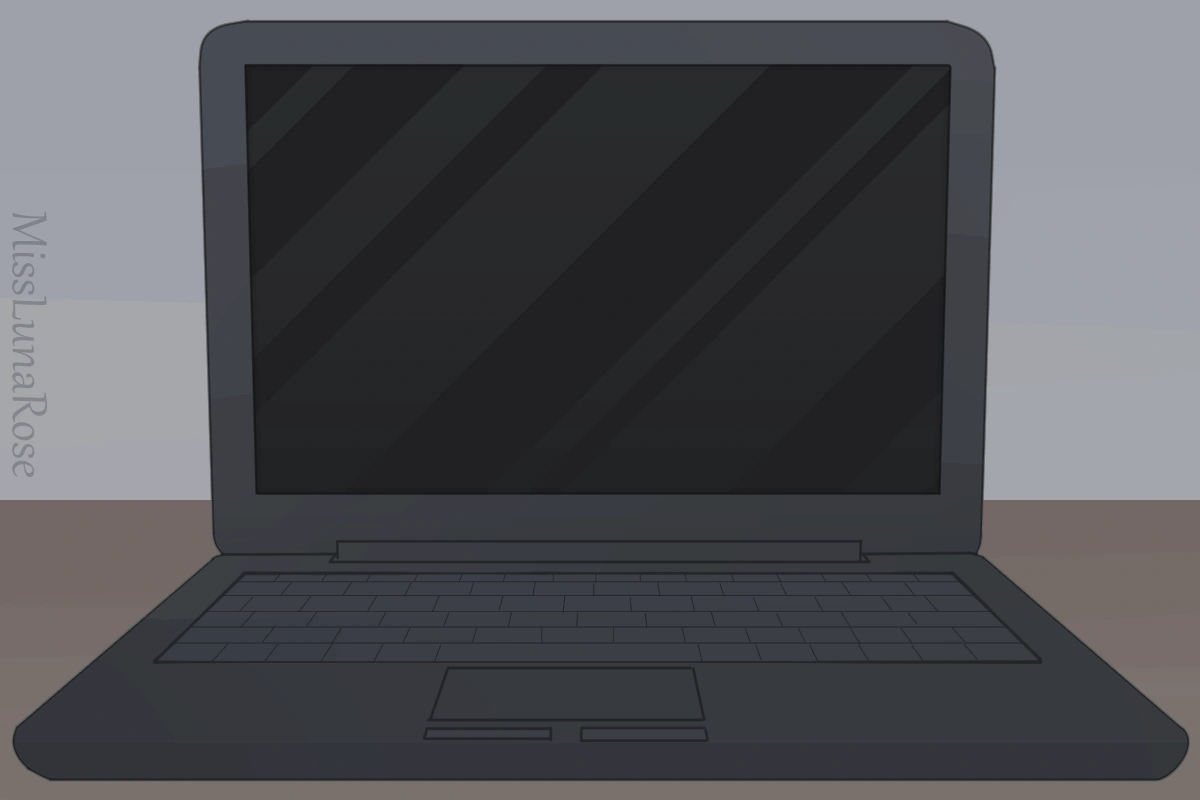

Art by MissLunaRose
A computer is a programmable machine that processes, stores, and retrieves data.[1][2] While many computers are general-purpose, there are also specialized computers built for specific devices, such as ATMs and clothes dryers.[1][2]
Computers have accelerated human knowledge and innovation.[2]
History
The term "computer" used to refer to a person who does computations. However, the word now refers to machines.[2]
Proto-computers have existed for centuries. The Pascaline, developed by Blaise Pascal in 1642, was a calculating machine that used gears. Gottfried Leibniz enhanced it in 1670. Charles Babbage developed the analytical engine in 1833, with Ada Lovelace writing programs for it. The next century, Joseph Jacquard built an automatic loom that used punch cards.[3]
The first electronic computer was Colossus, which was used for decryption in World War II. The Mark-I was developed in 1944 and it used punch cards. In 1945, the Electronic Numerical Integrator and Computer (ENIAC) was built.[3] Early computers took up entire rooms and used vacuum tubes, which often overheated and needed frequent replacement.[1][3] Users would submit "batch jobs" to run one at a time on the devices.[2]
In 1952, Grace Hopper developed the first compiler with COBOL as a more human-readable language.[3]
The invention of the transistor helped make computers more portable.[1] This led to second-generation computers, which used COBOL, Fortran, and other programming languages.[3]
Integrated circuits led to third-generation computers. These computers were smaller, less energy-intensive, and less hot. Software development began to grow.[3]
Microprocessors brought about fourth-generation computers. Personal computers (PCs) became accessible to families and individuals.[3]
Fifth-generation computers are even more advanced. With the internet, microcomputers, and artificial intelligence, computers are even more accessible in everyday life.[3]
Now, computers range in size, from wearable computers to powerful supercomputers.[4]
Components
- Processors
- Memory (for temporary fast storage)
- Motherboards
- Storage (for slower long-term storage)
Many computers have more features, like fans, graphics processing units,[3] microphones, monitors, speakers, and more.[1][2] Input devices like mice and touchscreens allow users to enter information. Output devices like speakers and printers allow a variety of uses.[4]
See also
References
- ↑ 1.0 1.1 1.2 1.3 1.4 1.5 Computer, Computer Hope
- ↑ 2.0 2.1 2.2 2.3 2.4 2.5 Hemmendinger, David. computer, Britannica
- ↑ 3.00 3.01 3.02 3.03 3.04 3.05 3.06 3.07 3.08 3.09 Bagci, Tolga. What is a Computer? | Exploring PC History, Types & Components, Sysnet Tech Solutions
- ↑ 4.0 4.1 What is a Computer?, Geeks for Geeks